
Increasing sanitation has a tremendous impact on the environment and human life expectancy. Many microbiological processes are involved in wastewater treatment and microbiologists and process engineers try to steer these interactions in order to treat the very complex mix of chemicals and materials dissolved and suspended in industrial wastewater and sewage. Furthermore, microorganisms play an important role in the production and distribution of safe drinking water and high quality process water as well.
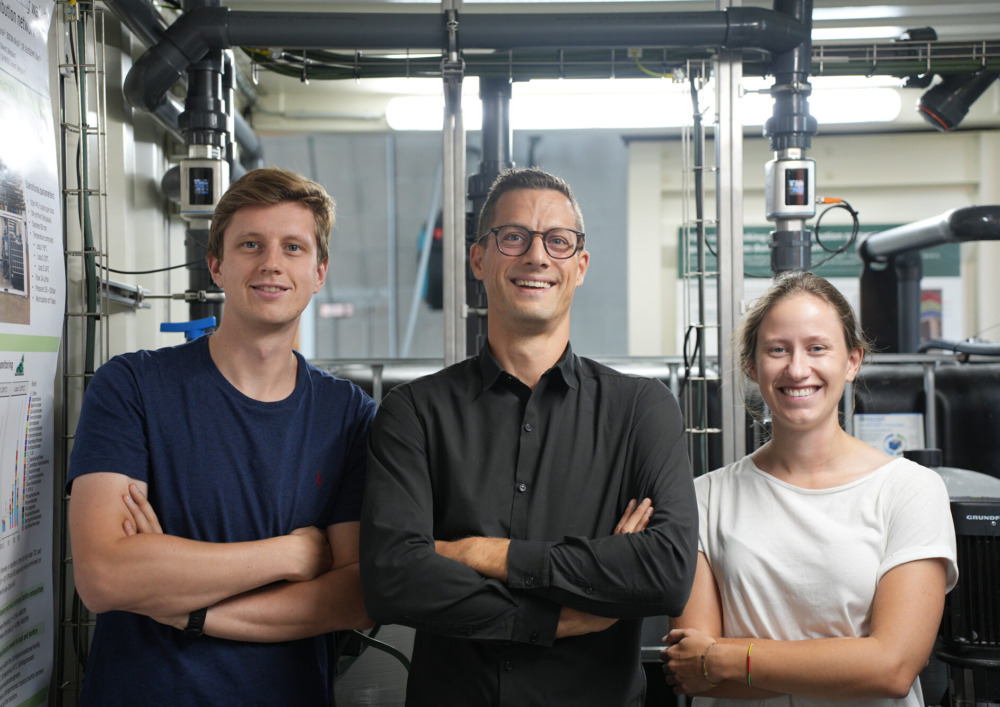
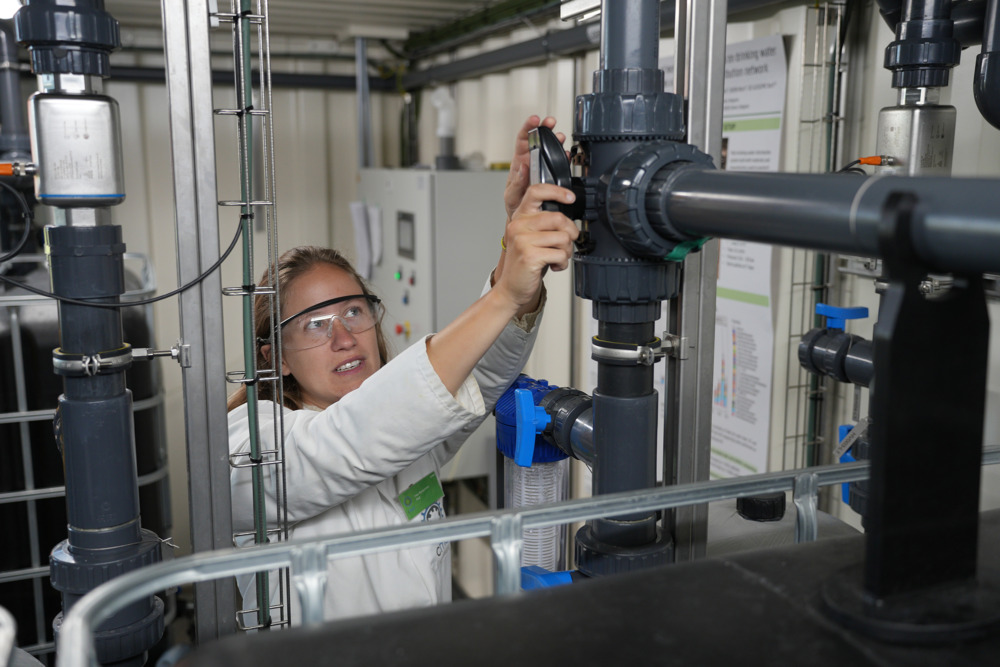
CMET researchers study microbiological interactions (activated sludge) in aerobic, anoxic and anaerobic conditions, and further develop biological nutrient en micropollutant management strategies in different matrices. The Water Treatment and Production Group has a strong experience in engineering microbial processes in lab- and pilot-scale reactor set-ups for wastewater treatment, and developed a large drinking water distribution pilot (3 x 100m piping) which is open for applied research with the Flemish and international drinking water utilities.
To cope with the current challenges of climate change and water scarcity, CMET contributes to the further integration of non-traditional water sources in the industrial and municipal water production process, such as the effluent of wastewater treatment plants. We collaborate with other research groups in several water reuse projects, constantly striving for biostable and microbially safe water production. For example, using flow cytometric fingerprinting, CMET researchers develop innovative (online) monitoring tools to safeguard the membrane integrity in membrane filtration plants and water reuse projects, in close collaboration with the water industry and technology providers.
Related news
-
16/10: Public defence of the doctoral dissertation of ir. Fien Waegenaar
The title of the doctoral dissertation is “Biostability in drinking water distribution systems: impact of environmental factors and operational management.” The public defense took place on the 16th of October 2025 at 17:00 in the Feestzaal, Auditorium A.1 at Campus Coupure, Coupure Links 653, 9000 Ghent. A short abstract of the doctoral research The drinking […]
-
Membrane filtration reduces nutrient availability and invasion potential in drinking water systems, without affecting mature biofilms
We are proud to share Fien Waegenaar & Thomas Pluym‘s latest article in Frontiers in Microbiology in which we evaluate the impact of nutrient limitation on general drinking water microbiology, the biofilm and the invasion potential of unwanted microorganisms. This publication is another great example of the co-operation between multiple research groups within the framework […]

