
News
-

22/10: Public defence of the doctoral dissertation of Thomas Pluym
READ MORE: 22/10: Public defence of the doctoral dissertation of Thomas PluymThe title of the doctoral dissertation is “Drinking water from source to tap: Unravelling microbiome dynamics through monitoring and novel biological indicators“ The public defence will take place on 22nd October 2026 at 17:00 in the Feestzaal, Auditorium A.1 at Campus Coupure, Coupure Links 653, 9000 Ghent. A short abstract of the doctoral research Before…
-

BAM! at Vibrio2026
READ MORE: BAM! at Vibrio2026Last week, the BAM! group of CMET attended Vibrio2026: The International Meeting on the Biology of Vibrios in Berlin (Germany). The conference covered the breadth of the Vibrio field: from epidemiology to ecology, from genetics to aquaculture, from virulence regulation to climate change. We have presented some of our later work on quorum sensing inhibition,…
-
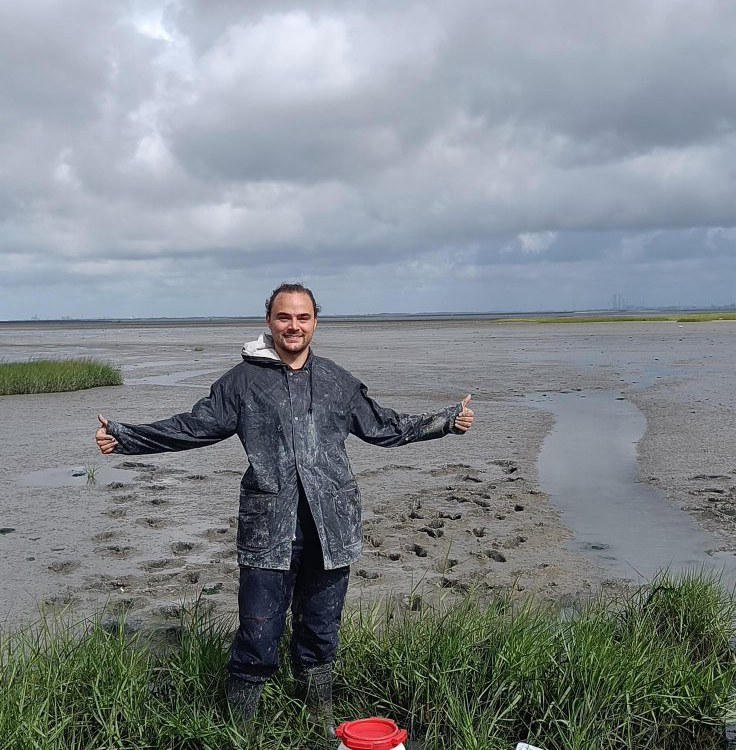
27/10: Public defence of the doctoral dissertation of Bram Martin
READ MORE: 27/10: Public defence of the doctoral dissertation of Bram MartinThe title of the doctoral dissertation is “Copepod-bacteria interactions: implications for natural ecosystems and use as live feed in aquaculture“ The public defence will take place on 27th of October 2026 at 5 pm in Lecture Room E2, Blok E, Campus Coupure, Coupure Links 653, 9000 Ghent. A short abstract of the doctoral research Copepods…
-

Van biergist tot buikgevoel: over wie er in jouw darmen leven, en waarom je dat wilt weten!
READ MORE: Van biergist tot buikgevoel: over wie er in jouw darmen leven, en waarom je dat wilt weten!Microben zijn overal! Je kent ze misschien al goed als de werkpaarden bij het maken van bier, wijn en brood, maar ook bij het maken van andere voedingsmiddelen zijn ze hard aan het werk. En ze geven niet alleen smaak aan ons voedsel. Ook in ons lijf spelen microben een belangrijke rol. Ontdek de wondere…
-
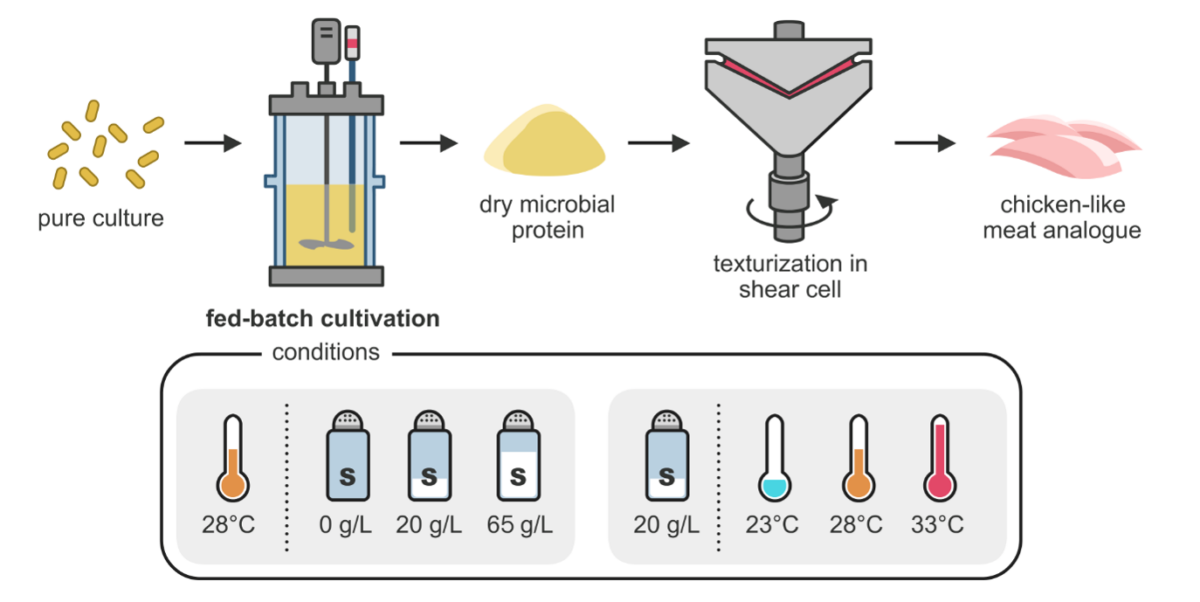
Microbial cultivation conditions impact the quality and techno-functional properties of microbial biomass for meat analogue applications
READ MORE: Microbial cultivation conditions impact the quality and techno-functional properties of microbial biomass for meat analogue applicationsProud to share our recent publication from a collaboration between CMET and the Food Process Engineering at Wageningen University & Research, with a title “Microbial cultivation conditions impact the quality and techno-functional properties of microbial biomass for meat analogue applications” In this study, we investigate how microbial cultivation conditions shape the composition, techno-functionality and ultimately…
-

26/05: Public defence of the doctoral dissertation of Laia Vulart Bach
READ MORE: 26/05: Public defence of the doctoral dissertation of Laia Vulart BachThe title of the doctoral dissertation is “ustainable resource recovery via thermophilic fermentation and microbial electrolysis cells: insights for Earth and space applications“ The public defence will take place on 26 May 2026 at 11:00 in the Sala de Graus at the Escola d’Enginyeria, Universitat Autònoma de Barcelona A short abstract of the doctoral research…
-

10/06: Public defence of the doctoral dissertation of ir. Guillaume Henderson
READ MORE: 10/06: Public defence of the doctoral dissertation of ir. Guillaume HendersonThe title of the doctoral dissertation is “Electrochemical conversion of lithium salts into battery precursors“ The public defence will take place on June 10th 2026 at 17:00 in the Academieraadzaal Azalea, room A 0.1 at Campus Coupure, Coupure Links 653, 9000 Ghent. A short abstract of the doctoral research Lithium plays a key role in…
-
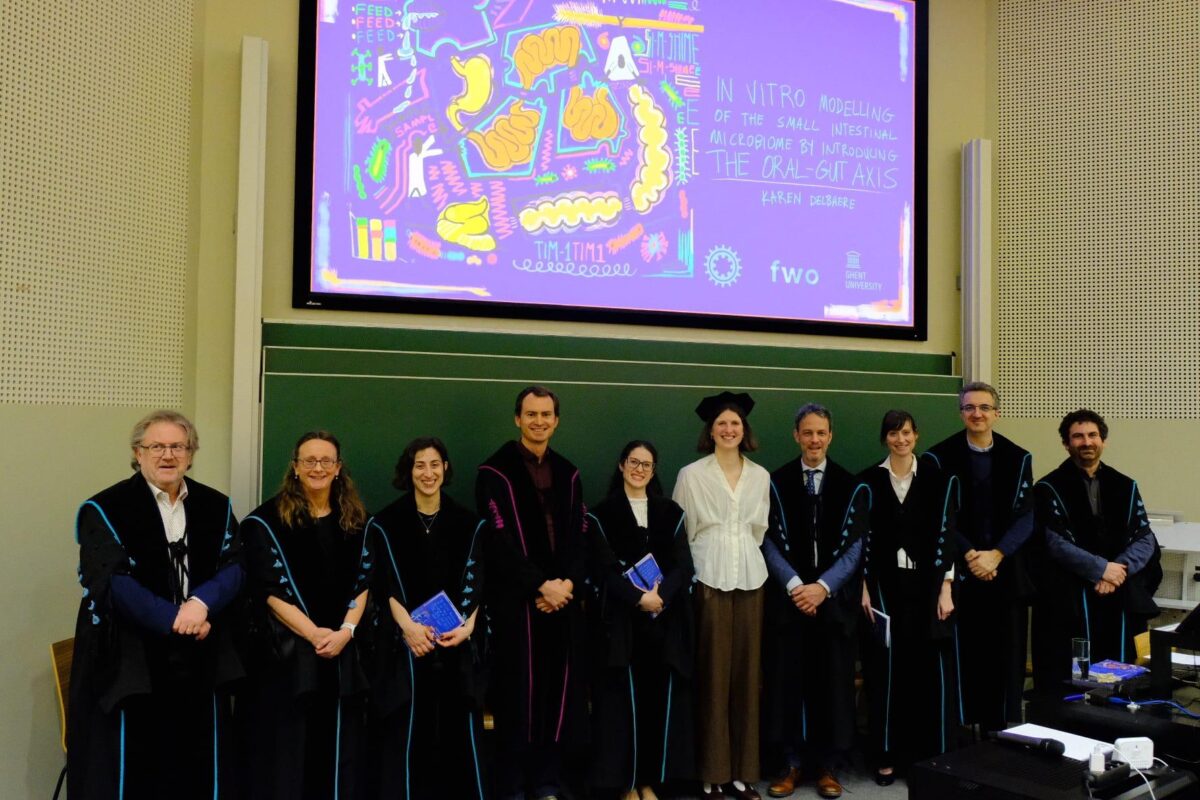
4/02: Public defence of the doctoral dissertation of ir. Karen Delbaere
READ MORE: 4/02: Public defence of the doctoral dissertation of ir. Karen DelbaereThe title of the doctoral dissertation is “In vitro modelling of the small intestinal microbiome by introducing the oral-gut axis“ The public defense will take place on the 4th of February 2026 at 17:00 in auditorium Oehoe, at the faculty of bioscience engineering, Ghent University (Auditorium E1, building E, Coupure Links 653, 9000 Ghent). A…
-

9/01: Public defence of the doctoral dissertation of ir. Wannes Nauwynck
READ MORE: 9/01: Public defence of the doctoral dissertation of ir. Wannes NauwynckThe title of the doctoral dissertation is “Droplet microfluidics: a toolbox for microbial ecology” The public defense will take place on the 9th of January 2026 at 17:00 in auditorium Oehoe, at the faculty of bioscience engineering, Ghent University (Auditorium E1, building E, Coupure Links 653, 9000 Ghent). A short abstract of the doctoral research…
-
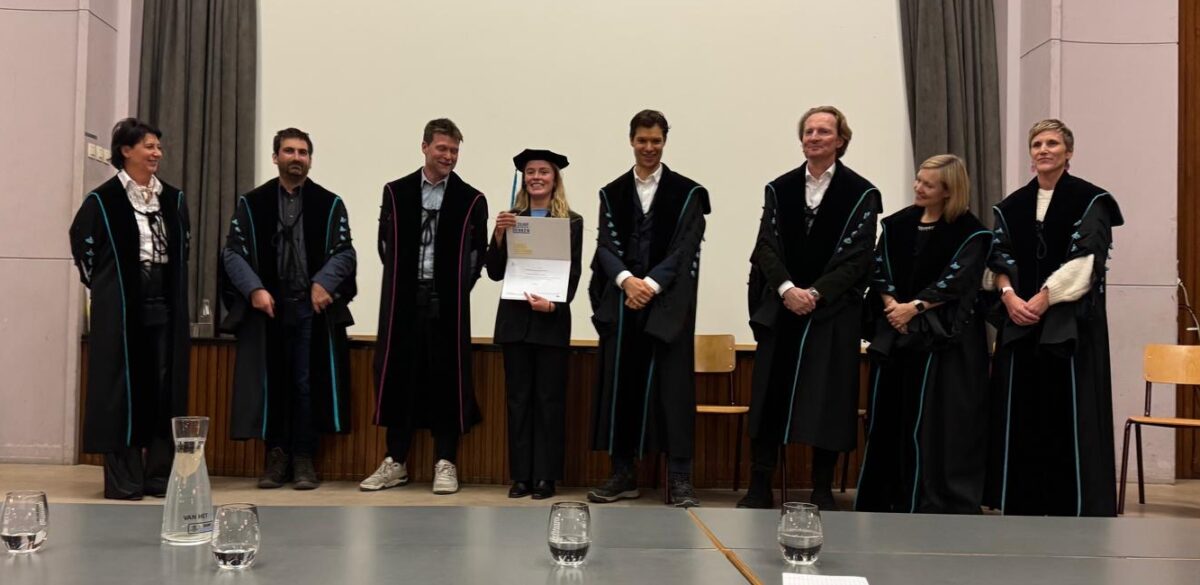
15/12: Public defence of the doctoral dissertation of ir. Britta De Pessemier
READ MORE: 15/12: Public defence of the doctoral dissertation of ir. Britta De PessemierThe title of the doctoral dissertation is “Multi-Omics Insights into the Skin Microbiome of Healthy and Diseased Skin.” The public defense will take place on 15 December 2025 at 17:00 in the Feestzaal, Auditorium A.1 at Campus Coupure, Coupure Links 653, 9000 Ghent. A short abstract of the doctoral research The skin is one of…