
Paper
-
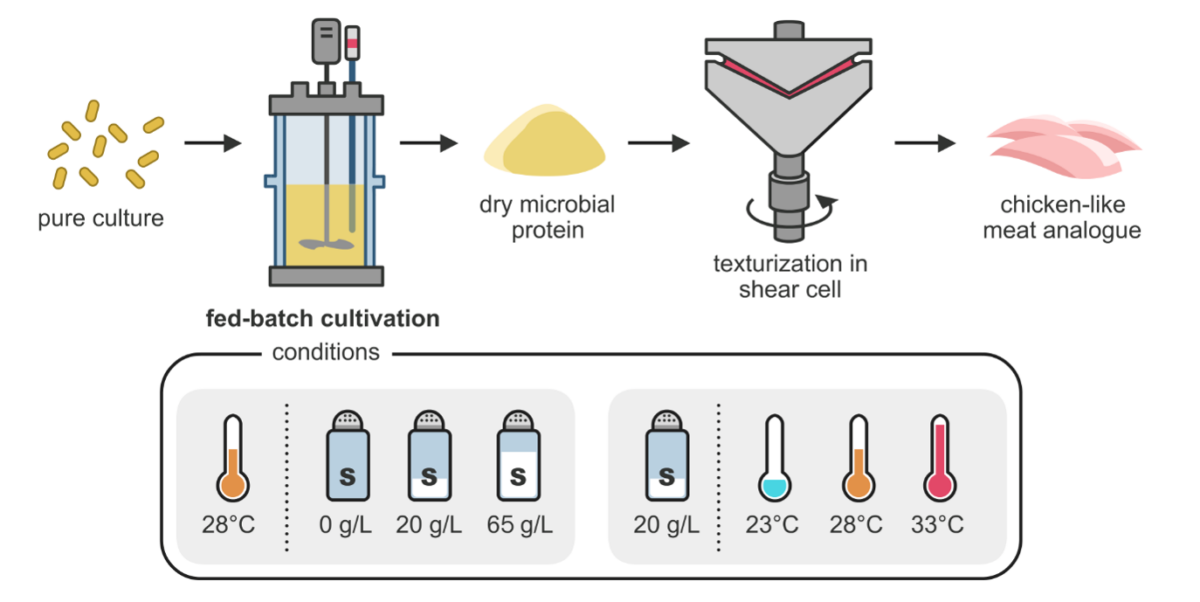
Microbial cultivation conditions impact the quality and techno-functional properties of microbial biomass for meat analogue applications
READ MORE: Microbial cultivation conditions impact the quality and techno-functional properties of microbial biomass for meat analogue applicationsProud to share our recent publication from a collaboration between CMET and the Food Process Engineering at Wageningen University & Research, with a title “Microbial cultivation conditions impact the quality and techno-functional properties of microbial biomass for meat analogue applications” In this study, we investigate how microbial cultivation conditions shape the composition, techno-functionality and ultimately…
-

Impact of temperature on butyric and caproic acid production in lactic acid chain elongation
READ MORE: Impact of temperature on butyric and caproic acid production in lactic acid chain elongationThe latest article by Dr. Kevin Sabbe is out in Journal of Environmental Chemical Engineering! We demonstrate how temperature steers butyric vs. caproic acid production, and reshapes the microbiome in lactic-acid chain elongation. These insights support the design of more sustainable, economically viable bioprocesses 🌱 🔗 50-day free access This work was performed at CMET…
-

Hydrogen-powered bacteria enhance organic micropollutant degradation under starvation conditions
READ MORE: Hydrogen-powered bacteria enhance organic micropollutant degradation under starvation conditionsOrganic micropollutants (OMPs) occur in natural aquatic environments at trace concentrations with suspected adverse effects on the ecosystem and human health. Microbial biodegradation plays a crucial role in OMP-elimination from drinking water resources. However, long-term OMP-biodegradation remains challenging since the metabolic activity of degrading strains is restricted by energy-limited conditions in treatment systems. Molecular hydrogen…
-
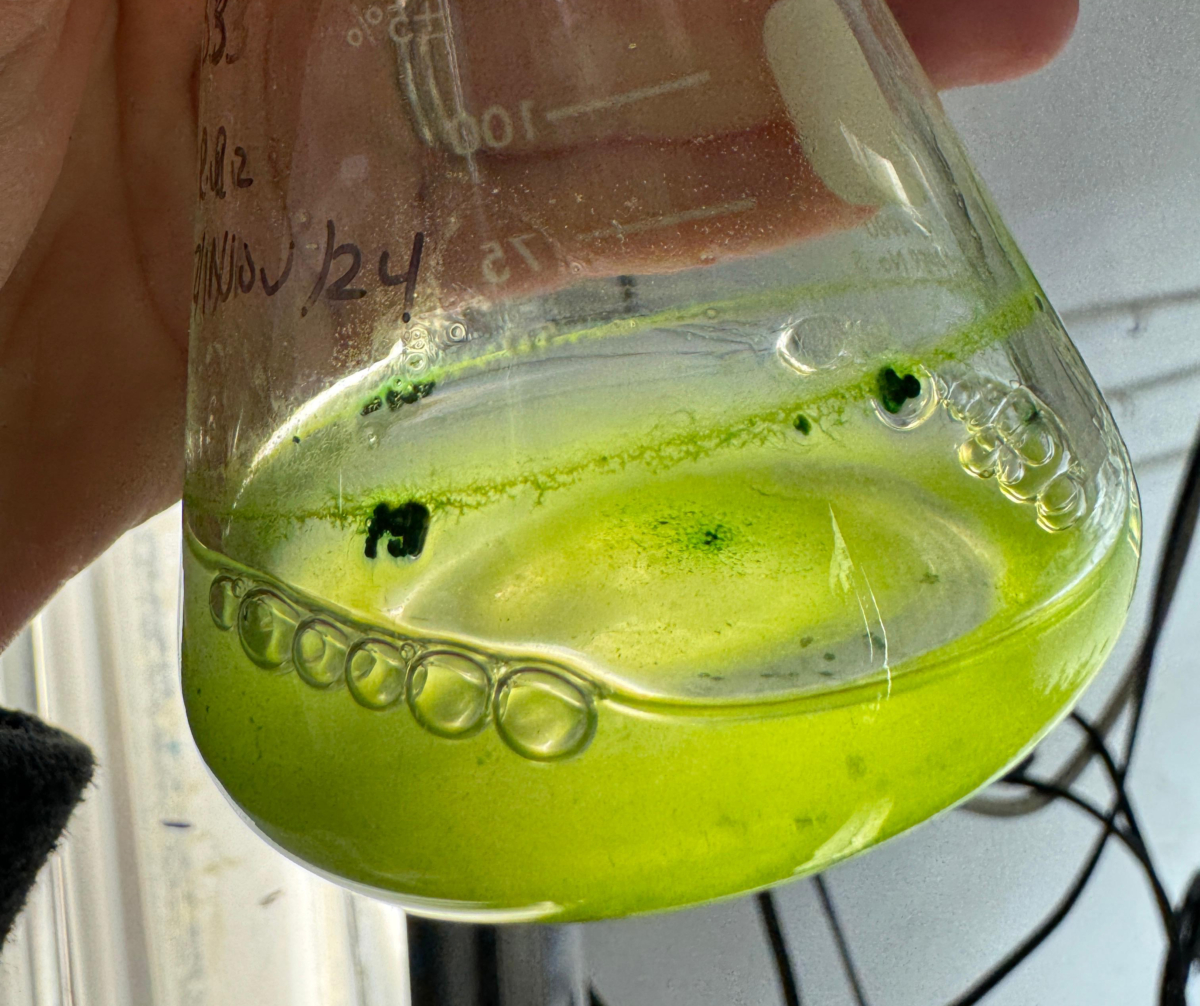
Biogas can be more than just energy – (update)
READ MORE: Biogas can be more than just energy – (update)Biogas is a widely available but often underused resource. Can we do more with it than just burn it for energy? A recent study, led by Dr. Patricia Ruiz Ruiz, PhD student Patricia Mohedano Caballero, and Prof. Jo De Vrieze, explores how methalgae—a special mix of methane-eating bacteria and algae—can turn biogas into valuable biochemicals.…
-
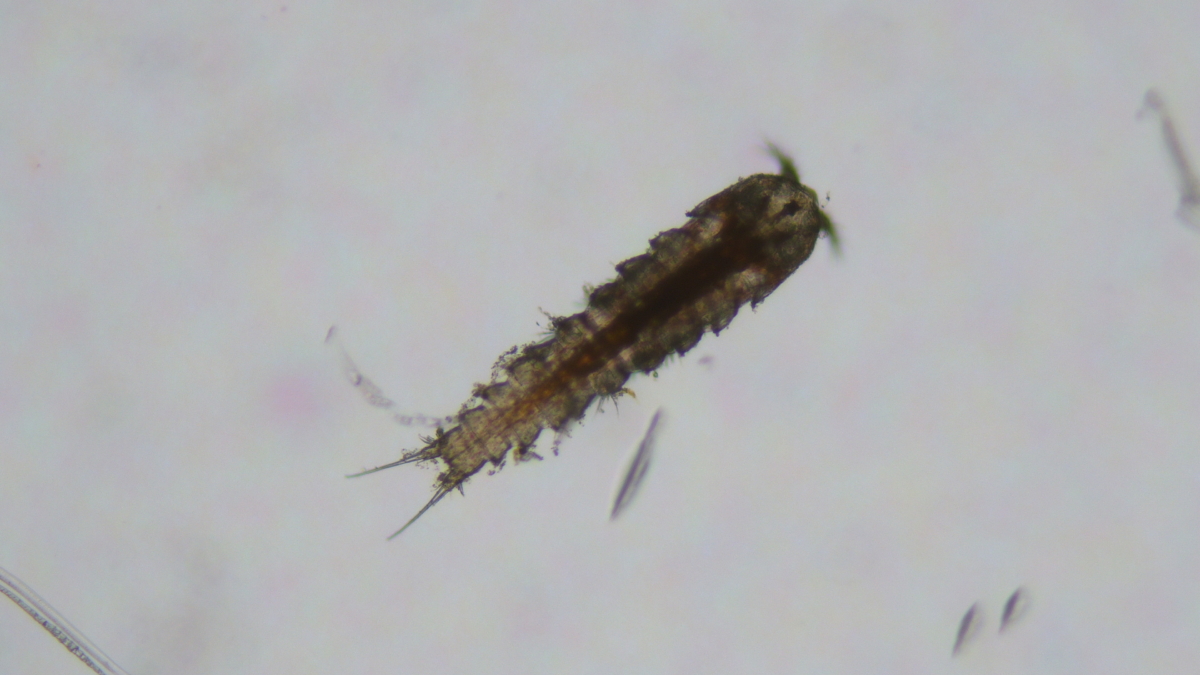
The gut community of copepods: you are what you eat
READ MORE: The gut community of copepods: you are what you eatCopepods are small crustaceans of about 1 millimeter in size. Although small, they are abundant and omnipresent: in freshwater, salt water and ground water. Different groups of copepods are specialised to live in open ocean, rock pools or sediments. They are the connection in the food web between primary production and larger consumers such as…
-
Alcanivorax can help break down plastics in the marine environment
READ MORE: Alcanivorax can help break down plastics in the marine environmentEvery year up to 12 000 tonnes of plastics enter our oceans. As the plastics are not made to degrade easily, all this plastic pollution is piling up. PhD student Astrid Rombouts, recently graduated dr. Valérie Mattelin and post-doc dr. Josefien Van Landuyt wondered how certain bacteria, like Alcanivorax, can help break down plastics in…